
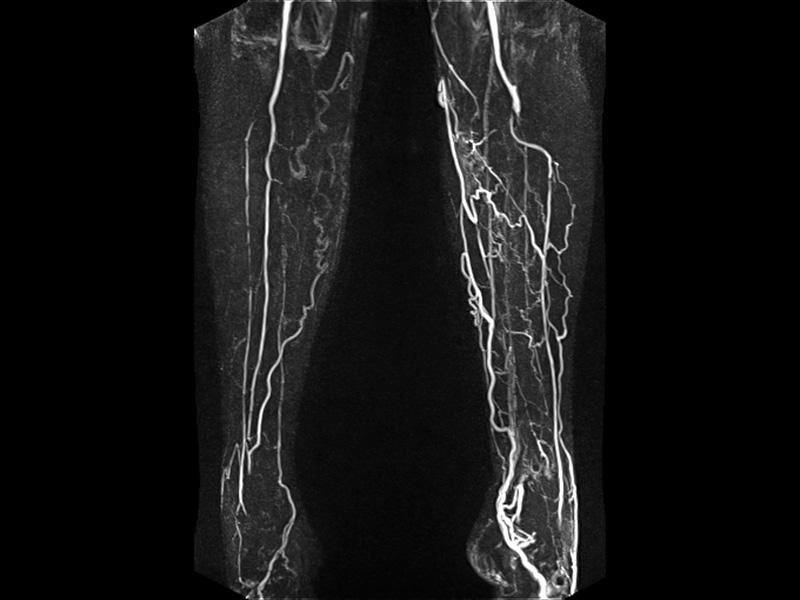
What Is an MRA?
Magnetic Resonance Angiography (MRA) is a specialized form of MRI used to visualize blood vessels and assess blood flow throughout the body. MRA produces detailed images of arteries and veins, allowing physicians to identify and evaluate vascular conditions without the risks associated with traditional catheter angiography.
What Can an MRA Detect?
- Aneurysms (abnormal bulging of a blood vessel wall)
- Stenosis (narrowing of blood vessels)
- Arteriovenous malformations (AVMs)
- Peripheral artery disease
- Renal artery disease
- Carotid artery disease
How Is an MRA Performed?
An MRA is performed in a manner similar to a standard MRI. In some cases, a contrast agent may be injected intravenously to enhance blood vessel visibility. The procedure is non-invasive and typically takes 30 to 60 minutes.
Is an MRA Safe?
MRA does not use ionizing radiation. It is considered a safe and effective imaging method for evaluating blood vessels. Patients with certain metal implants or kidney conditions should discuss any concerns with our staff prior to the scan.
Call (248) 244-0757 — same-day, evening, and weekend slots available.